Rewriting Your Money Story for the Life You Want
Photo by Morgan Housel on Unsplash
Guest Post by Denise Long of Grandmothering.info:
Many middle-aged women reach a point where money feels heavy—tied to past mistakes, caregiving seasons, divorce, career pivots, or simply years of putting everyone else first. A money mindset is the set of beliefs and emotional patterns you hold about earning, spending, saving, and deserving. When those beliefs shift, your financial results—and your confidence—often shift with them.
What This Means for You
● Your thoughts about money shape your financial decisions more than your income does.
● It’s never too late to build wealth or redesign your financial future.
● Clarity creates calm; calm creates better choices.
● Small, consistent changes compound faster than dramatic overhauls.
● Empowered financial decisions ripple into every area of life.
The Hidden Beliefs That Keep You Stuck
Before you can build something new, you have to notice what’s already running the show. Many women in midlife carry silent scripts such as:
● “I’m bad with money.”
● “It’s too late to catch up.”
● “I don’t earn enough to invest.”
● “Security comes from someone else’s income.”
● “Talking about money is selfish.”
These beliefs often formed decades ago—during early adulthood, marriage, motherhood, or career interruptions. They may have once felt protective. But if they no longer serve you, they can be replaced.
A mindset shift begins with one simple question: Is this belief helping me create the life I want now?
Practical Financial Anchors That Build Confidence
Changing your mindset isn’t just about positive thinking. It’s about taking grounded, measurable action that proves to your brain you are capable.
One powerful example is homeownership. Exploring an affordable 30-year mortgage loan can reinforce intentional budgeting and long-term planning. With a 30-year term, your loan is divided into 360 equal monthly payments, and your payment amount depends on the loan balance, interest rate, and length of the term. Because the repayment period is extended, monthly payments are typically lower than shorter-term options, which can ease cash flow and reduce stress.
That stability encourages disciplined saving, clearer goal-setting, and more empowered financial decision-making. When you understand exactly how your payment is structured, you move from fear to informed control.
From Scarcity to Strategy
Mindset transformation happens when you move from reacting to money to directing it. Consider how different beliefs create different outcomes:
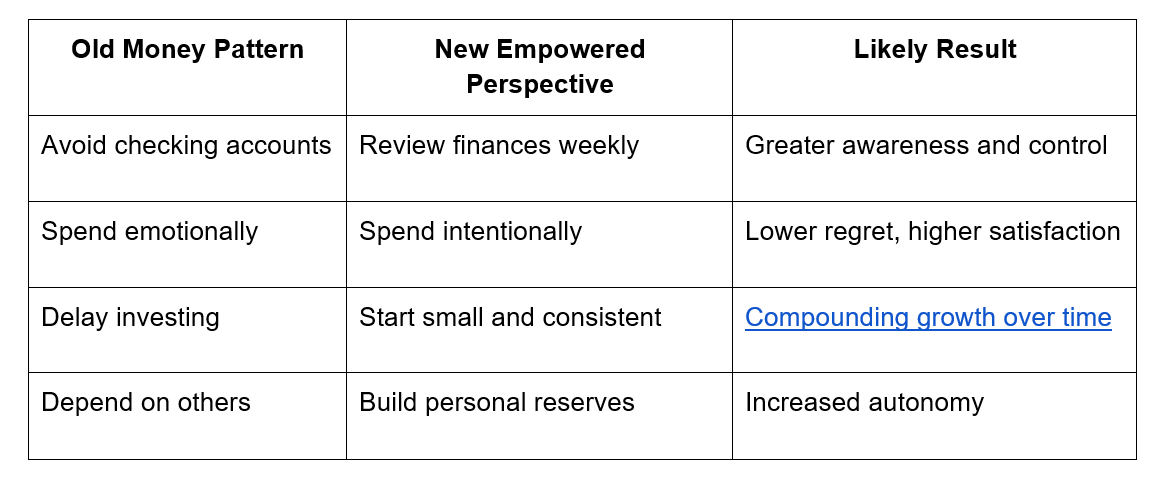
This shift doesn’t require perfection. It requires participation.
How to Reset Your Financial Direction
If you want tangible change, start with clear, doable steps.
Write down three beliefs you currently hold about money.
Identify which one feels most limiting.
Replace it with a realistic, empowering statement.
Create one small financial action you can take this week.
Track your progress for 30 days.
Momentum builds belief. Action reshapes identity.
Redesigning Your Relationship With Earning
Midlife often brings new earning potential. Whether you negotiate a raise, launch a side project, re-enter the workforce, or pivot careers, your earning story is still being written.
Before you make changes, reflect on what earning represents to you. Freedom? Security? Validation? Service? When you connect income to personal meaning rather than comparison, earning becomes purposeful instead of stressful.
One sentence before taking any financial step can help: “This decision supports the life I’m building next.” That framing reduces impulsive moves and strengthens strategic thinking.
Financial Empowerment Questions Women Ask Before Taking the Next Step
If you’re ready to translate mindset shifts into real-world change, these questions can guide your next move.
Is It Too Late to Improve My Financial Situation in My 40s or 50s?
Absolutely not. Many women experience their highest earning years in midlife, which creates opportunity for accelerated saving and investing. Strategic decisions now can significantly impact retirement security and lifestyle flexibility.
How Do I Stop Feeling Guilty About Spending on Myself?
Guilt often stems from long-standing caregiving roles or scarcity thinking. Create a personal spending category in your budget so enjoyment becomes intentional, not impulsive. When spending aligns with your values and plan, guilt decreases.
Should I Focus on Paying Off Debt or Building Savings First?
It depends on the interest rate and your emergency cushion. High-interest debt should usually be prioritized while maintaining a small emergency fund. A balanced approach often reduces stress and builds momentum simultaneously.
What If My Partner Handles Most of the Finances?
Even in shared households, financial awareness is essential. Schedule regular money check-ins so you understand accounts, debts, and long-term goals. Knowledge builds confidence and protects your independence.
How Can I Build Wealth on a Modest Income?
Wealth is built through consistency, not just income size. Automating savings, investing small amounts regularly, and avoiding lifestyle inflation create long-term growth. Discipline matters more than dramatic income spikes.
What’s the First Sign My Mindset Is Actually Changing?
You begin making decisions from intention instead of fear. You check your accounts without anxiety. You start thinking in terms of future possibilities rather than past mistakes.
The Compounding Effect of Belief
Your financial life doesn’t transform overnight. But beliefs compound just like investments do. Each intentional choice reinforces a new identity: capable, informed, and deserving of stability and growth.
Midlife is not a closing chapter. It’s a powerful reset point. When you rewrite your money story, you don’t just improve your bank account—you expand your sense of what’s possible.