
Latest article in Thrive Global about letting go. See https://thriveglobal.com/stories/attorney-maria-leonard-olsen-let-go-of-things-you-cannot-control/
Read MoreLatest article in Thrive Global about letting go. See https://thriveglobal.com/stories/attorney-maria-leonard-olsen-let-go-of-things-you-cannot-control/
Read MoreLet go. Determine what you can and cannot change. If you cannot change something, why waste your limited time worrying about it? The more I recognize that my time on earth is of uncertain duration, the easier it is for me to let go of things that are out of my control. I used to endlessly fret about my adult children, for example. But when I finally let go and let them make their own mistakes without my interference, our relationships improved.
https://medium.com/authority-magazine/maria-leonard-olsen-five-things-we-can-do-to-develop-serenity-and-support-each-other-during-these-e8899c54118f
Read MoreWays to increase positivity in your life
Read More“Easy ways to start your next chapter full of the joy you deserve”
Read MoreApproaching her 50’s, Nicole Cutts, a psychologist and author based in the Washington D.C. area, knew her opportunities would have changed with regard to those traditional milestones related to the female lifecycle. “I grew up with the expectation that, by a certain age, I’d be married and have kids – she says-. I didn’t question if I wanted that. But when I got older the possibility for that lessened“. However, that turning point resulted as a way to reinforce her mission: to create a legacy to inspire and empower women and girls (especially women and girls of colour) to thrive. “I wanted them to know that there’s no wasted time – she explains- and they should pay attention to every moment of their life while they are embodied on this planet“.
As a master facilitator and Success Coach, Nicole helps people create an exceptional life by honouring their mind, body, and spirit so they can experience joy, passion, meaning, and ultimate success in their work.
https://www.crunchytales.com/nicole-cutts-seeing-my-life-as-a-heroines-quest-is-empowering/
Read More“Spiritual wellbeing can be achieved via meditation and living mindfully. When I practice the pause before speaking, for example, whatever I say is more thoughtful. I ask myself if something needs to be said, needs to be said by me, or needs to be said at all. Such restraint has improved all of my relationships.”
https://medium.com/authority-magazine/total-health-attorney-maria-leonard-olsen-on-how-we-can-optimize-our-mental-physical-emotional-f9fe94a185a2
Read MoreYou can sign up to speak at a future conference! https://herstorycircle.com/
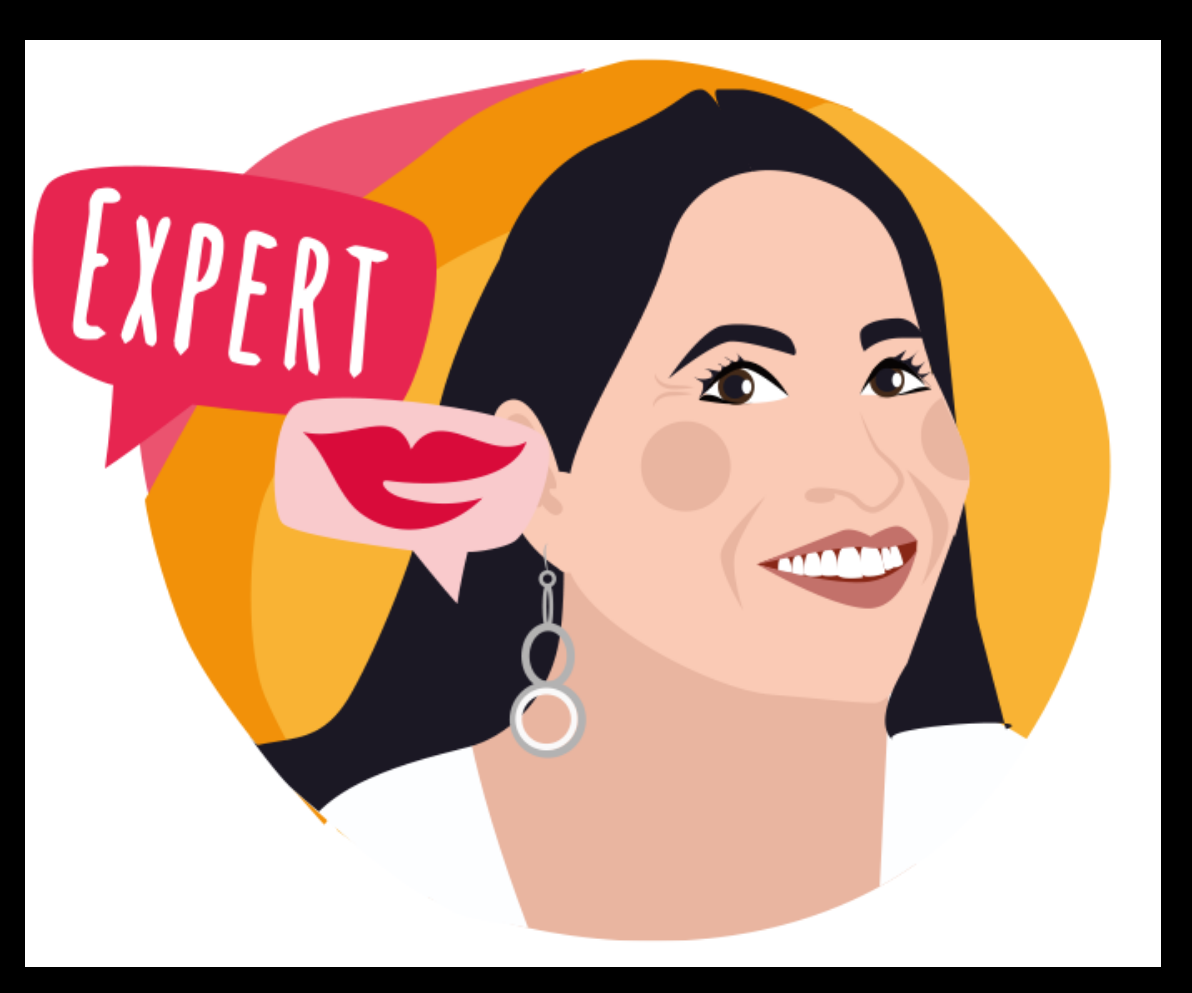
Read MoreWe are super excited to announce that Diversity Promoter Maria Leonard Olsen is joining our team of #CrunchyExperts. Maria is an attorney, author, public speaker and radio host. Her latest book, '50 After 50: Reframing the Next Chapter of Your Life', which chronicles the 50 new things she tried in her 50th year to determine how she wanted to live the #nextchapter of her life after getting sober and divorced, has been used as a vehicle to help many women reinvigorate their lives.
Maria worked on #diversity issues while in private practice and as a political appointee in the U.S. Department of Justice.
Stay tuned for her exclusive #interviews and views on midlife, diversity and #inclusion.
Follow her tips and advice on CrunchyTales, be inspired by her #journey, learn from her #wisdom and experience or drop her an email
https://www.crunchytales.com/meet-the-experts/
Ilustration by @HannaSuni
#diversityandinclusion #diversitymatters #Ageing #over40 #over50 #expertadvice #crunchytales #agepositive #midlife #latebloomers #perennials #strongerthanyesterday #inclusive
https://www.crunchytales.com/author/mariaolsen/
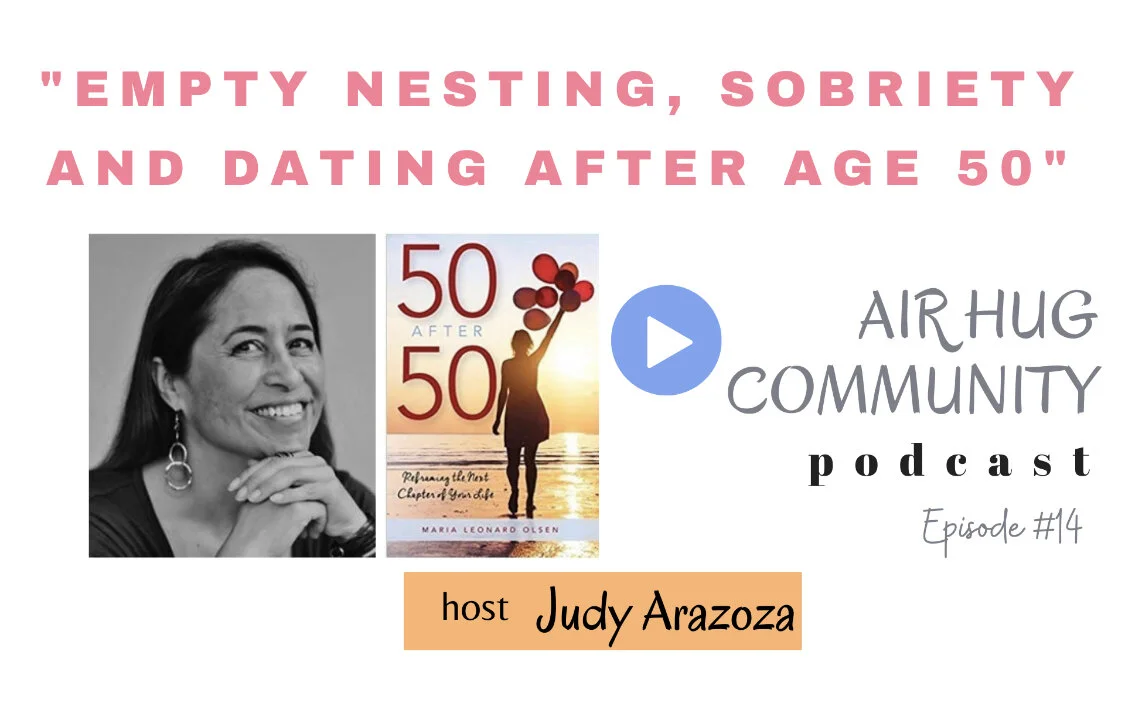
Read MoreGuest on the Air Hug Community Podcast
https://gratefulfitnessny.com/air-hug-community-podcast/
Read MoreUsing Self-Care to Become Your Best Version at Home and In the Workplace
Presenter: Maria Leonard Olsen, attorney, author, radio talk show host, mentor and coach
When you care for yourself, you can approach your work with more centeredness and confidence. Recharge and tap into your strongest, most powerful and effective self. Participants will learn how to shed what no longer serves them and to protect their well-being. Attorney, recovery mentor, radio show host and author of 50 After 50: Reframing the Next Chapter of Your Life, Maria Olsen will share her experience overcoming alcoholism, trauma, addiction to busy-ness and the pain of her divorce by using spiritual, mental, physical, social and emotional self-care strategies. Participants will engage in group exercises to enhance well-being and thereby increase productiveness and effectiveness. Barriers to self-care will be explored. Strategies include:
de-stressing tactics for busy people
breaking the cycle of negative self-talk
reframing techniques
cultivating contentment
emotional regulation skills
healthy social relationships
boundary-setting
intentionality about how you spend your time
building connection
responding instead of reacting, for sound decision-making
injecting purpose and joy back into one’s life
Learning Objectives
After participating in this session, the learner will be able to identify and incorporate physical, mental, emotional, social and spiritual self-care strategies that will allow her to operate at her most effective level.
After participating in this session, the learner will be able to identify and overcome barriers to self-care.
After participating in this session, the learner will be able to manage stress both inside the workplace and at home.
Working from home has some positive effects, like being able to roll out of bed 15 minutes before a meeting and still make it on time. It could also come with some negative effects like back pains because the ergonomics in your home office are not optimal. You heard a laptop tower stand could help solve that problem, but what about the other stuff? Though you may not have a choice right now on working from home, make the best out of your situation. Here are some easy ways you can make working from home work for you.
Read MoreMaintaining physical health is crucial. The need for exercise should be stressed for all attorneys. It helps to alleviate stress and affects all areas of one’s life. An early mentor could have prodded me more in the direction of caring for my physical health. We did not have a gym in my office building, but it would be helpful if law firms prioritized physical health by providing such things (and maybe even meditation rooms!).
https://thriveglobal.com/stories/maria-leonard-olsen-maintaining-physical-health-is-crucial/
Read MoreThe Health Benefits of Meditation
Read MoreFree inscribing and shipping offer with purchase! Contact me at fiftyafter50@gmail.com.
Read MoreOct 26, 2020
3 min read
Amidst the suffering that the Covid-19 virus has brought upon so many of us, I have been quietly grateful for the gifts this time has given me. I feel something akin to survivor’s guilt because neither I nor my loved ones have contracted Coronavirus or lost our jobs. The toll indeed has been steep for our world. The news reports’ death toll statistics and shuttered storefronts are sad evidence of this. Yet some benefits have also arisen.
All of us have been forced to slow down. There simply are not as many things open during the pandemic. For most of us, our workflow has slowed, at least somewhat. I am an attorney, and the courts were closed for weeks. Now, most hearings are conducted online. Clients were hesitant to spend money, so all but essential work projects were suspended. Any work that could be conducted remotely was allowed by most employers to be done at home. I did not have to go into the office or to client meetings. I have less commuting time and more downtime. In fact, I go out of my house, for any reason, a lot less right now.
As a result of doing less, perhaps FOMO has diminished for many of us. And we are saving money because there are fewer opportunities to spend it on travel, eating out or other activities. I had no need to fill my gas tank for weeks.
Anything we do with other people during this time increases our exposure risk. So I am much more intentional about how and with whom I spend my time. If I am going to see anyone, I realize that my time is best spent with those who lift me up and help me to become my best version. Otherwise, why take the health risk?
With increased risk when going out of our homes, we are noticing how many fewer things we really need. Most people limited trips to the grocery or other stores. I have become more creative with pantry ingredients I have on hand because I prefer to make fewer grocery shopping trips.
We have learned new skills. How many of us had ever heard of Zoom pre-pandemic? Who was able to work at home before quarantining began? How many of us tried new recipes? Who tried baking bread, preserving or canning for the first time? Many parents had to learn how to home school their children. Home improvement stores enjoyed huge booms in sales. Long-neglected home projects received attention. Closets got organized. Home offices were built or carved from existing space. We all found new and creative ways of doing what we needed to do.
SEE ALSO: Anxiety & Weight Gain: Why Shiatsu Massage May Help
I so enjoyed hearing about new ways people learned to keep in touch with their family members. Zoom meetings mushroomed among geographically dispersed family members. Online game nights took off. I started a weekly Zoom meeting with my best friends who lived across the country from me. We had not been in as close and regular touch with one another since the 1980s! It has been lovely being in close touch once again with my favourite people in the world.
Many more people took up walking. Never have I seen so many of my neighbours outside. Perhaps it was due to cabin fever. Perhaps we all took to walking because all the gyms were closed. In any event, it fostered more of a community feeling and encouraged people to join the walking trend. Although some people gained weight while quarantined, others lost weight as the result of taking up walking. I discovered so many lovely things in my neighbourhood, like beautiful gardens, when on walks. I checked in with neighbours who live alone.
There emerged a widespread feeling that we were all in this fight together. No country was unscathed by this virus. Everyone got masks. Many people made masks for others. Masks became a way of expressing personality, humour, creativity, and even political and other messages.
So this roller coaster of 2020 has not been all bad. People helped each other. We got on with less. The environment showed signs of recovery. We noticed what mattered most to us. Maybe now we all will appreciate what we have instead of focusing on what we do not have. Let’s reframe this year as the year our gratitude awakened for our many blessings that we previously may have taken for granted starting with, perhaps, our health.
Like this post? Sign up to our newsletter to get more articles like this delivered straight to your inbox.
Maria is a Washington, D.C.-based attorney and author of “50 After 50: Reframing the Next Chapter of Your Life” (Rowman & Littlefield, June 2018). She is an attorney, radio talk show host of the Washington, D.C. show “Inside Out,” writing and women’s empowerment retreat instructor, editor, and public speaker on diversity issues and living a life authentic to one’s values. Her work has been published by The Washington Post, Washingtonian Magazine, Bethesda Magazine, among others. She also served in the Clinton Justice Department prior to having children, and recently returned to practising law now that she is an empty-nester.
lockdownmental healthmidlife challengespandemicpositivity
https://www.crunchytales.com/the-pandemics-silver-lining/
Read MoreMaria Leonard Olsen: “Radiate love”
As a part of my series about the “5 Things Anyone Can Do To Optimize Their Mental Wellness” I had the pleasure of interviewing Maria Leonard Olsen.
She is an attorney, author, radio talk show co-host and recovery mentor. Maria graduated from Boston College and the University of Virginia School of Law, served in the Clinton Administration’s Justice Department and on numerous charitable boards, and has fostered newborn babies awaiting adoption. Her latest book, 50 After 50: Reframing the Next Chapter of Your Life, which was selected for the National Press Club’s National Book Fair, has served as a vehicle to help people across the country heal from setbacks, reinvigorate their lives and become their best version. See https://www.MariaLeonardOlsen.com/and @fiftyafter50 for more information.
Thank you so much for doing this with us! Our readers would love to “get to know you” a bit better. Can you share with us the backstory about what brought you to your specific career path?
At age 50, I got divorced, sober and became an empty-nester. I was living alone for the first time in my life. I had to change almost everything about my life. So I decided to try fifty new things to determine the contours of how I wanted to live my next chapter in life. The things I tried spanned physical challenges, adventure travel, spiritual endeavors, learning and teaching, and social activities. When I shared this plan with others, I discovered that I had hit a nerve, especially with people in midlife, a common time when people reassess their lives. I now share what I learned with others and help them overcome adversity and design their new chapters.
Can you share the most interesting story that happened to you since you started your career?
My latest book was very self-revelatory. I wrote about my sobriety journey and other difficulties, like divorce and being sexually abused and assaulted, and how I healed from all of these things. I felt so exposed. But the first time I gave a presentation about it, people approached me in tears saying how I gave them courage to talk about their pain and secrets. That made it all worth it. If I can help even one person by turning my sorrow and experience into a force for good, I will have made the world better because I was here. And that is my goal in life.
Can you share a story with us about the most humorous mistake you made when you were first starting? What lesson or take-away did you learn from that?
On my way to speak at a large trade association’s convention in downtown Washington, D.C., to deliver a talk on self-care and mindfulness, I got a flat tire. I became so stressed that I was going to be late! I arrived in the nick of time, but very frazzled. All of my work experience went out the window until I recognized the irony of the situation. I am trying to teach people how to deal with life’s curveballs, and the universe was putting me to a true test. I went to the restroom and practiced meditation. The deep breathing brought my heart rate down and helped me re-center. I learned that my meditation practice will be a life-long, helpful endeavor in many situations, and that it need not be lengthy to be effective. I also learned to leave much earlier for speaking engagements.
None of us are able to achieve success without some help along the way. Is there a particular person who you are grateful towards who helped get you to where you are? Can you share a story about that?
There were far fewer women in law school and in law firms when I started in the law. I am grateful to the women who paved the way for people like me to have good opportunities, and believe we all have the obligation to pay forward what we have been given. I mentor people who follow me along various paths. In fact, in my 12-step sobriety program, the 12th step is to help another alcoholic. By helping others, we provide service, but that service also helps us to maintain our own sobriety. It reinforces what we have learned and how far we have come. This can apply to multiple situations.
What advice would you suggest to your colleagues in your industry to thrive and avoid burnout?
Develop a meditation practice. I am grateful that meditation has gone mainstream. The benefits of meditation are widely known. We can re-wire our brains to develop more calmness and serenity. Sometimes, beginning with guided meditations are an easy way to start. There is so much online to assist us in starting or deepening our meditation practices. Walking meditations are an easy way to practice both physical and mental self-care, if we can focus on being present.
What advice would you give to other leaders about how to create a fantastic work culture?
Provide opportunities for your employees to continue to grow. No one enjoys or thrives while remaining static. Help those you lead to feel vital. Set a good example by continuing yourself to grow and by listening to those in your organizations. Each person has a perspective or lesson they can share. The person at the lowest rung of the corporate ladder may see something you have not considered before that may help your company. Diverse opinions help with more effective marketing, for example. Consider having open meetings for suggestions to be shared. Making those you lead feel valued can go a long way in employee retention and in creating a healthy work atmosphere.
Ok thank you for all that. Now let’s move to the main focus of our interview. Mental health is often looked at in binary terms; those who are healthy and those who have mental illness. The truth, however, is that mental wellness is a huge spectrum. Even those who are “mentally healthy” can still improve their mental wellness. From your experience or research, what are five steps that each of us can take to improve or optimize our mental wellness. Can you please share a story or example for each.
Learn a new skill, Keep strengthening your brain. During Coronavirus 2020, many of us are learning how to use Zoom or other online platforms for meeting or keeping in touch. In fact, I am more in touch with my friends who live in other parts of the world because of Zoom. We set up weekly calls to check in with one another and share ideas and news. Social self-care can increase mental health. Having a strong social network increases connectedness, a vital part of mental health.
Take a class. There are so many free offerings online. Coursera and Class Central are a few examples of free or low cost classes. Perhaps you could even teach a class on Udemy or another platform. Keep those neurons firing, to stave off cognitive decline.
Practice positive psychology. I took a few positive psychology classes that helped me stave off panic in the early days of Covid-19. The classes helped me build tolerance for uncertainty and to reprogram my mind toward positivity. That which we dwell on becomes our reality. I emphasize the positive and look for the good in any situation. I write daily gratitude lists and cultivate an attitude of gratitude. Volunteer work for those less fortunate helped me realize how much I take for granted. I am grateful for the prosaic — like that I can see, hear, walk — to the profound — I have love in my life. We all can find things for which to be grateful. I also am an advocate of affirmations. I used to think saying affirmations to one’s self was silly, until I experienced the change in myself by practicing affirmations for thirty days. What we tell ourselves can become our truths. I am enough. I am content. These are my truths.
Develop a healthy inner dialogue and eradicate negative self-talk. Many of us are full of self-criticism, but we can change the tape. Treat yourself how you would treat someone you love. For years, I was full of self-hatred. It took me a long time to learn to accept myself as human and therefore perfectly imperfect. All my mistakes became lessons for me. I firmly believe now that every person and situation in one’s life can provide an opportunity to learn. I must be open to the lesson.
Learn how to be more mindful. Meditation can help tremendously with this. Meditation need not be long to be effective. A few deep, cleansing breaths can re-center us. Focusing on one’s breath can help you become more present. You are, at least for those moments, fully present, because you cannot simultaneously be fully focused on your breath while worrying about the future or fretting about the past. When you feel anxiety creeping in, increase the depth of your breaths. This can lower your blood pressure and heart rate. Pause and re-set. Try this when stuck in traffic or at a red light. I work in a busy litigation practice and maintain my focus and calm by taking deep breaths throughout the day.
Much of my expertise focuses on helping people to plan for after retirement. Retirement is a dramatic ‘life course transition’ that can impact one’s health. In addition to the ideas you mentioned earlier, are there things that one should do to optimize mental wellness after retirement? Please share a story or an example for each.
Keep growing. Seek to learn something new every day. The internet provides endless opportunities to learn. Check out TedTalks and free courses online. I learned how to fix my refrigerator myself by watching a YouTube video! You even can virtually visit world class museums online. Research shows that maintaining your cognitive health with new stimuli may slow memory loss and cognitive decline. Plus, it’s more fun and gives you more to share with others. I also enjoy planning trips. I recently realized that much of my enjoyment of travel comes from the planning of it, i.e., learning about what the place has to offer, finding the most interesting things to do while visiting, and feeling excited anticipating the experience. Many people I know are learning the riches our national parks have to offer. And there are incredible discounts for senior citizens for travel in our country, including admission into our national parks.
How about teens and pre teens. Are there any specific new ideas you would suggest for teens and pre teens to optimize their mental wellness?
Pay attention to your inner dialogue. When you hear that critical voice in your head, consider how you would treat your best friend or family member. Would you speak to him or her like that? Practice self-compassion. Put that bat you use against yourself away. And allow yourself to have more fun. It will help you deal better with stress. Do not be in such a hurry to “grow up.” Maintaining a child-like wonder with the world is a good thing! Unfortunately, most of us allow the judgment of society and jadedness to lessen that wonder within us. Wonder is a gift. Savor it.
Is there a particular book that made a significant impact on you? Can you share a story?
“Man’s Search for Meaning,” by Viktor Frankl. Frankl was a prisoner in a concentration camp. The takeaway of that book for me was that everything can be taken from you but the right to choose one’s attitude in a given situation. So powerful. I have learned to practice the pause between stimulus and response and to choose how I want to respond, instead of reacting right away. It has changed my life, especially with challenging people and situations. There was a period when my son tested my patience over and over. I learned how to count to ten and to listen more before responding. It vastly improved our relationship.
You are a person of great influence. If you could start a movement that would bring the most amount of good to the most amount of people, what would that be? You never know what your idea can trigger. 🙂
Radiate love. If we all could practice compassion for ourselves and others, the world would be such a better place. Start where you are, and your light can have a ripple effect. Stop criticizing and seek to understand. Everyone has difficulty in life. Let’s stop the vitriol. The Covid epidemic is giving us all an opportunity to re-set and determine what really matters in life.
Can you please give us your favorite “Life Lesson Quote”? Do you have a story about how that was relevant in your life?
“No one can make you feel inferior without your consent.” Eleanor Roosevelt’s wise words are a life lesson I wish I had understood earlier. I think one of the benefits of aging is caring less about what others think. I got a motorcycle at age 50, which seemed out of character for me. I received disapproving looks and criticism, but I learned not to take that personally. Really, the only one who has to approve of me is me! Dropping the rock of judgment was so freeing to me, though it is something I will continually work on because it is a hard habit to break.
What is the best way our readers can follow you on social media?
https://www.facebook.com/FiftyAfter50/, https://www.instagram.com/fiftyafter50/ and https://twitter.com/FiftyAfter50
Thank you for these fantastic insights. We wish you only continued success in your great work!
— Published onSeptember 1, 2020
Read More“Surround yourself with people that will help you become the best version of you!” With Dr. William Seeds & Maria Leonard Olsen
As a part of my series about “5 Lifestyle Tweaks That Will Dramatically Improve One’s Wellbeing”, I had the pleasure of interviewing Maria Leonard Olsen.
Maria Leonard Olsen is an attorney, author, radio talk show co-host and recovery mentor. Maria graduated from Boston College and the University of Virginia School of Law, served in the Clinton Administration’s Justice Department and on numerous charitable boards, and has fostered newborn babies awaiting adoption. Her latest book, 50 After 50: Reframing the Next Chapter of Your Life, which was selected for the National Press Club’s National Book Fair, has served as a vehicle to help people across the country heal from setbacks, reinvigorate their lives and become their best version.
Thank you so much for doing this with us! Our readers would love to “get to know you” a bit better. Can you share with us the story about how you first got involved in fitness and wellness?
At age 50, I got sober and divorced, became an empty nester and was living alone for the first time in my life. I felt rudderless. I had to change just about everything in my life. And without the crutch of alcohol, I had to find healthier ways to deal with my emotions. I had used alcohol to numb out my feelings and self-loathing. After getting sober, I incorporated many new wellness methodologies into my life and enjoy helping others find a better way of living.
Can you share the most interesting story that happened to you since you started your career?
I felt that I had lost so much in my life after drinking my way out of a 25-year marriage. So I sold many of my belongings, put the rest in storage, and traveled to the other side of the world to volunteer at a school high in the Himalayas. I wanted to make the world a better place somehow. It turned out to be an exercise in cultivating gratitude for me. The Nepalese villagers had so little — no running water or electricity, for instance — but were the happiest people I had ever met. I returned with an attitude of gratitude infusing my life. I no longer take so much for granted. Just by virtue of living in this country, we know we will have access to clean water and will likely eat a meal today. In this remote village, that was not a guarantee.
Can you share a story with us about the most humorous mistake you made when you were first starting? What lesson or take-away did you learn from that?
When I started this chapter of my life, I set out to try 50 new things to discern how I would like to live my newly sober, single, empty-nester life. I wanted to stretch my comfort zone. I signed up for an open mic night, though I have a terrible singing voice. I got on stage and belted out a song and was awful! I left the stage to wan, polite applause. I never have to do that again! But I proved to myself that I could push through and survive uncomfortable situations and feelings. It gave me confidence to tolerate discomfort.
Can you share with our readers a bit about why you are an authority in the fitness and wellness field? In your opinion, what is your unique contribution to the world of wellness?
I sponsor many women who are newly sober and mentor women who have been sexually assaulted. One in four women will have been sexually assaulted in their lifetimes and do not often feel they can talk about it. I also help women heal from divorce, depression and other life difficulties. I use my experience and pain as a way to help others. I have tried many different healing modalities and help others find the right combination that would work for them. At my speaking events, people often approach me in tears saying I told their story or that they no longer feel so alone in what happened to them. I help them find courage to allow others to bear witness to their pain. Not processing trauma is like holding a beach ball under water. It pops up in unanticipated ways, if you just keep pushing it down and do not deal with it. I tried that for many years. It didn’t work.
None of us are able to achieve success without some help along the way. Is there a particular person who you are grateful towards who helped get you to where you are? Can you share a story about that?
My sobriety sponsor, Sandy, helped save me from myself. She said she would love me until I could love myself. She is one of the most generous, kind people I have known. She accepts me where I am and loves me unconditionally. In our 12-step sobriety program, we must admit to another person the exact nature of our wrongs. I told her things I never before had shared. She listened with understanding and without judgment. I was able to heal from a lifetime of secrets. I now pay it forward to other women, as part of my 12 steps of recovery.
Ok thank you for all that. Now let’s move to the main focus of our interview. We all know that it’s important to eat more vegetables, eat less sugar, exercise more, and get better sleep etc. But while we know it intellectually, it’s often difficult to put it into practice and make it a part of our daily habits. In your opinion what are the 3 main blockages that prevent us from taking the information that we all know, and integrating it into our lives?
I believe that it is a lack in self-love. If we truly loved ourselves, we would practice more self-care. We abuse our bodies because, at some level, we do not believe we deserve better. If we take the time to examine the roots of our lack of self-love, we may be able to remedy this situation. With self-love would come a re-prioritization of what really matters. A perceived lack of time to take care of ourselves would disappear as well. Does it matter if you make millions of dollars if you lose your health? Many of us speed through life in pursuit of material or other things that do not really matter in the long run. It is helpful to ask yourself what you might regret if you happened to die tomorrow. The answer likely would not be that you did not work more or make more money.
Can you please share your “5 Non-Intuitive Lifestyle Tweaks That Will Dramatically Improve One’s Wellbeing”? (Please share a story or an example for each, and feel free to share ideas for mental, emotional and physical health.)
First, in this society, we generally are more careful about how we spend our money than how we spend our time. Yet, time is the one thing we cannot buy or manufacture, and it is of uncertain duration. I now am much more intentional about how I spend my time. I am a recovering people-pleaser. Now, however, when someone asks me if I want to do something, I practice the pause and ask myself if it is something I really want to do, or if I would just be doing it to please someone else. And if I conclude that it is not something that helps me in any way, I reply that I have another commitment. The other person does not need to know that the commitment may simply be to myself, to replenish my energy.
Second, I surround myself with people who help me become my best version. I am a proponent of positive psychology and do my best to avoid “energy vampires.” The more I am around negative people, the more my positive energy dissipates. Even if the negative people are family members, there are ways to protect our own energy and limit our time around such people. Sometimes, excusing one’s self from a room to practice deep breathing can reset and create an effective psychic boundary. It can, at least, disrupt a negative conversation.
The third is not taking things personally. We all have our own realities and bring an amalgam of our own experiences to any given situation. I practice self-compassion and compassion for others by not assuming that their poor behavior has anything to do with me. I used to misinterpret someone’s disapproving look as a failing on my part, for example. Now, I recognize that it may be a reflection of something going on with them. I ask myself if my thoughts have evidence of truth or is it a faulty assumption. And I let so much more go. We all can drop rocks of judgment and focus on self-approval rather than what others think of us. It is impossible to control what others think, and I used to exhaust myself trying to do so.
Being mindful is something I strive for each day. I used to pride myself on my talent for multi-tasking. What that led to was an inability for me to be fully present. I did not savor good experiences. I endlessly planned ahead or “future-tripped” about what might happen. Now I work on staying present in everything that I do. It has helped with my memory, concentration and joy in simple pleasures.
Mediation is part of my endeavor to be more present and mindful. Mediation can take many forms. It can be as simple as taking one deep cleansing breath at a traffic light. It can be slowly walking from my car to my office door. Meditation centers me and allows me to better deal with whatever curveballs life throws my way. Sometimes, in my busy litigation practice, someone will look at me in wonder at how I am remaining calm in a storm of activity and near panic over a project deadline. I am much more effective and productive when centered, and meditation helps me accomplish this state.
All five of these things have enabled me to move beyond and thrive following my divorce, getting sober, being sexually assaulted, and other life challenges and difficulties. These changes have profound impacts on my life. I wrote about them in my latest book, 50 After 50: Reframing the Next Chapter of Your Life, and speak about them in seminars, book talks and self-care presentations.
As an expert, this might be obvious to you, but I think it would be instructive to articulate this for the public. Aside from weight loss, what are 3 benefits of daily exercise? Can you explain?
Exercise helps relieve anxiety and stress, of which there is far too much in our frenetic society. It is an important tool for maintaining physical, mental and emotional health. Exercise helps dissipate the stress hormone, cortisol. It has helped me lower my genetic high blood pressure. I exercise with a friend, which also helps my social well-being and helps to keep me motivated.
For someone who is looking to add exercise to their daily routine, which 3 exercises would you recommend that are absolutely critical?
Walking. There is so much beauty in our world that we cannot experience in a car or rushing around. Walk mindfully. Sometimes, make it a walking meditation. Appreciate all the beauty that surrounds you. Second, some core strengthening work to support one’s back and spine. There is so much free Pilates online nowadays. I would add yoga or another kind of stretching that incorporates breathwork. This will keep blood pressure down, relieve stress and keep you flexible, which is especially important as we age.
In my experience, many people begin an exercise regimen but stop because they get too sore afterwards. What ideas would you recommend to someone who plays sports or does heavy exercise to shorten the recovery time, and to prevent short term or long term injury?
Stretching and listening to one’s body. Alternate heavy exercise days with recovery days where you do yoga or simple stretching. Do self-massage or get massages, if you can. Make sure you are getting proper nutrients in your diet and are hydrating properly.
There are so many different diets today. Can you share what kind of diet you follow? Which diet do you recommend to most of your clients?
I eat everything in moderation. Food is a great joy in life for me, especially when able to share it with others.
Is there a particular book that made a significant impact on you? Can you share a story?
The Four Agreements, by Toltec shaman, don Miguel Ruiz. One of the agreements is not to take anything personally. That agreement with myself has fundamentally changed my life. We are all on our own journeys with our own experiences. When someone cuts me off on the road, for example, it likely has nothing to do with me; that person may be in a hurry because he or she just received some horrible news. I have gained much peace by following the lessons in this book.
You are a person of enormous influence. If you could start a movement that would bring the most amount of good to the most amount of people, what would that be? You never know what your idea can trigger. 🙂
I suppose it would be an acceptance movement. There is so much hate being strewn about lately. Why can’t we all accept ourselves and each other as human beings. We are, I believe, spiritual beings having a human experience. Let’s love each other more and dispel the unnecessary hate that has infiltrated our culture.
Can you please give us your favorite “Life Lesson Quote”? Do you have a story about how that was relevant in your life?
“No one can make you feel inferior without your consent,” by Eleanor Roosevelt. I spent much of my life giving away my power. We are all people who are perfectly imperfect. I am enough. But it took me years to accept myself for who I am. I felt an inordinate amount of shame and allowed others’ disapproval to make me feel less than. For instance, someone I know expressed shock that I now have a motorcycle. I initially felt a pang of shame when receiving that criticism. I took a deep breath and reclaimed my power. I do not need others’ approval. I need my self-approval.
We are very blessed that some of the biggest names in Business, VC funding, Sports, and Entertainment read this column. Is there a person in the world, or in the US whom you would love to have a private breakfast or lunch with, and why? He or she might just see this if we tag them 🙂
Oprah Winfrey. She also was sexually assaulted as a child and came from a less than ideal childhood. She is one of my heroes in that she brings so much goodness into the world and has used her pain as a force for good. It is a dream of mine to meet her and to be on her Super Soul Sunday show (or another of her wonderful productions)!
What is the best way our readers can follow you on social media?
https://www.instagram.com/fiftyafter50/
https:www.MariaLeonardOlsen.com
Thank you for these fantastic insights. We wish you only continued success in your great work!
https://thriveglobal.com/stories/surround-yourself-with-people-that-will-help-you-become-the-best-version-of-you-with-dr-william-seeds-maria-leonard-olsen/
Read More






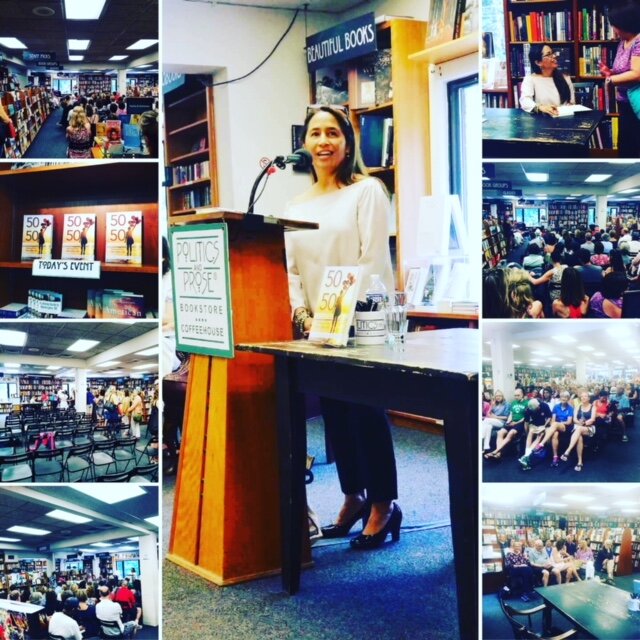

Featured in a story about bucket lists for CBS News Sunday Morning!